Bridging Theory and Practice
Traditional education provides essential academic knowledge.
Students learn concepts, understand media history, explore theories, and develop analytical thinking.
However, media production is fundamentally a practical discipline.
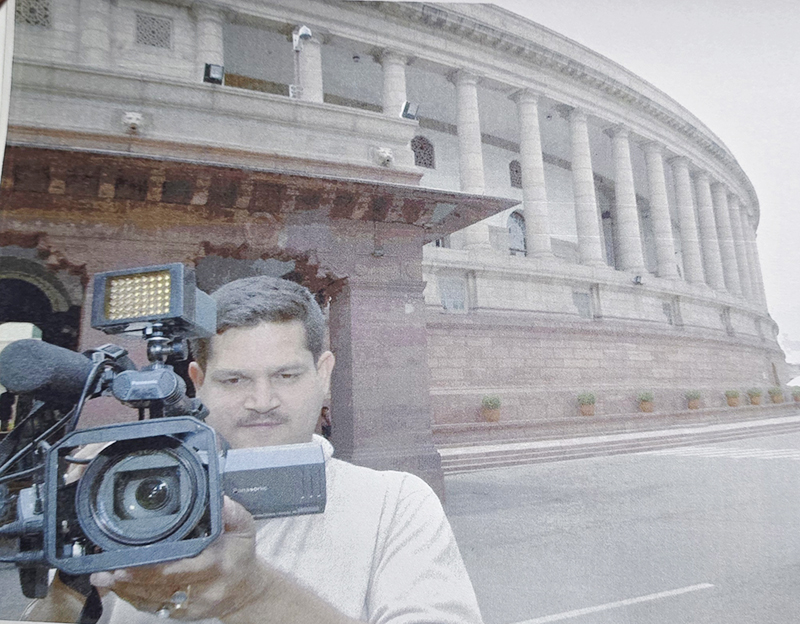
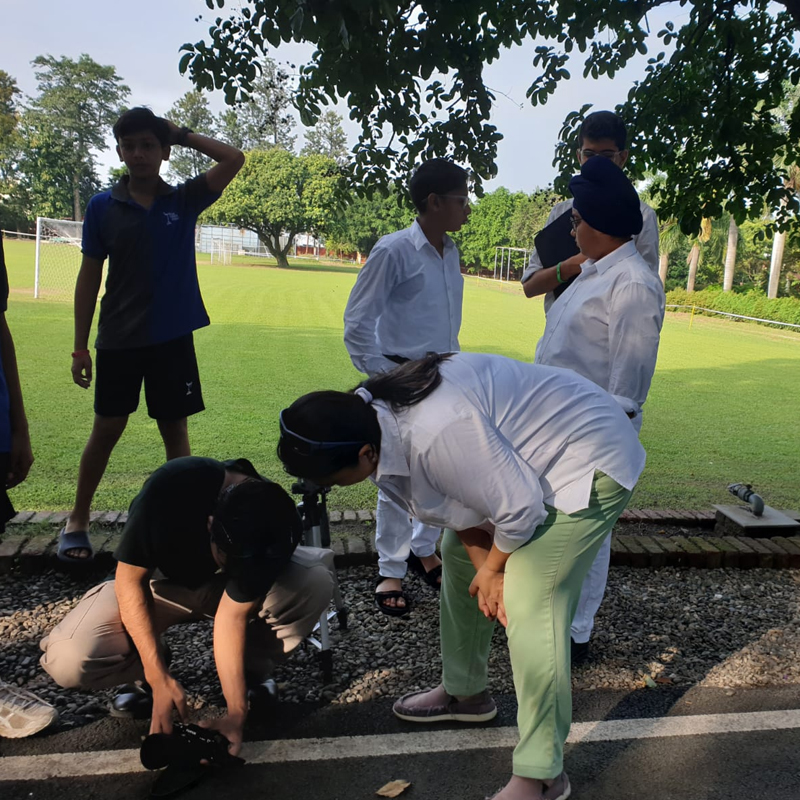
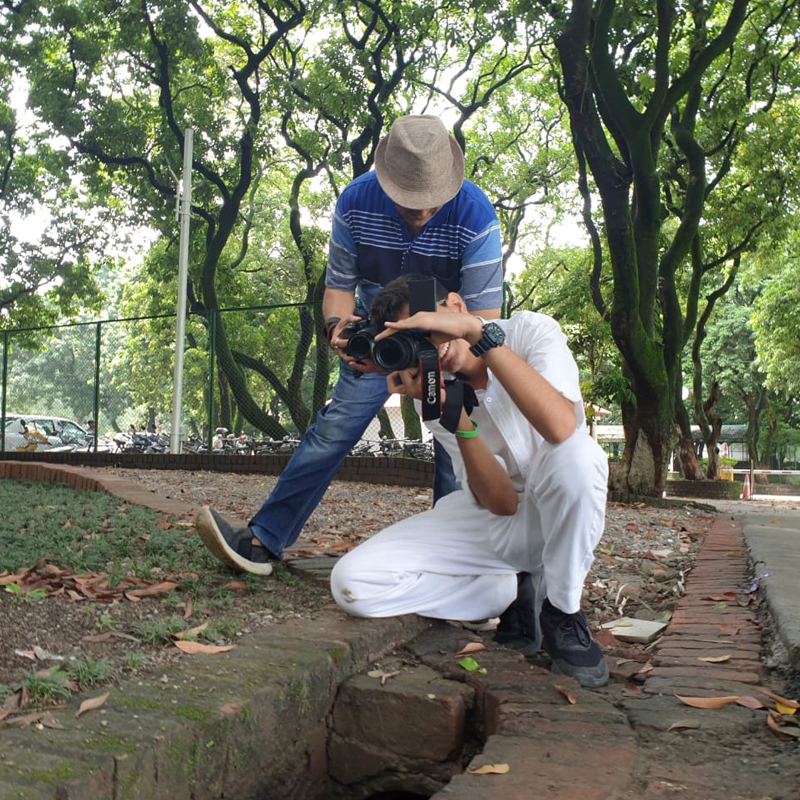
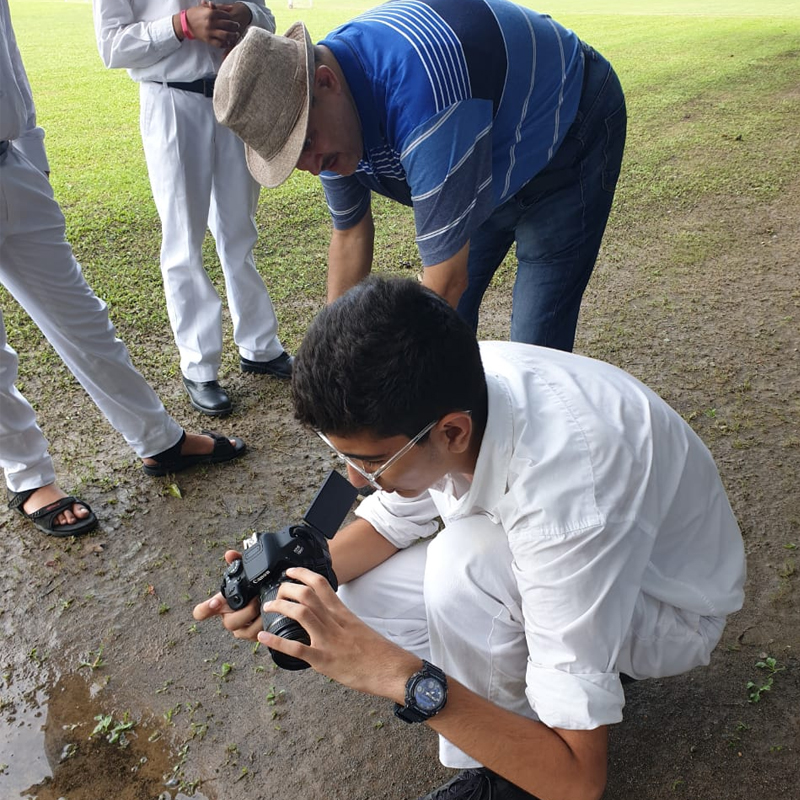
Understanding cinematography requires operating a camera. Learning about lighting requires working with light. Storytelling becomes meaningful when ideas are transformed into visual narratives.
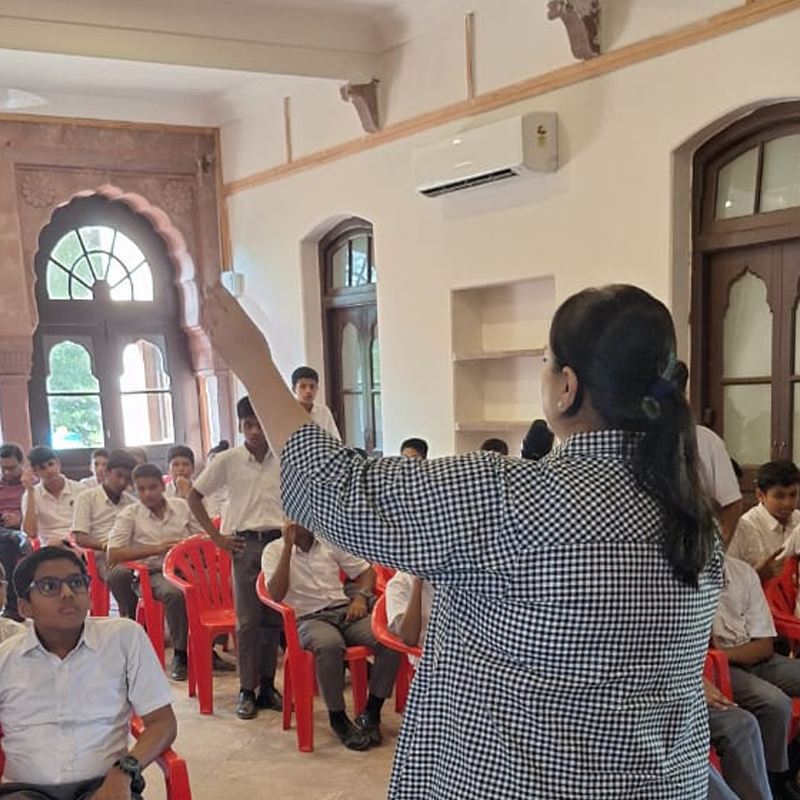
DIMTP bridges this gap by connecting classroom learning with real production experiences. Students are encouraged to apply theoretical concepts through practical activities that simulate professional environments and creative workflows.
Education Without Boundaries
Quality education should never be limited by geography.
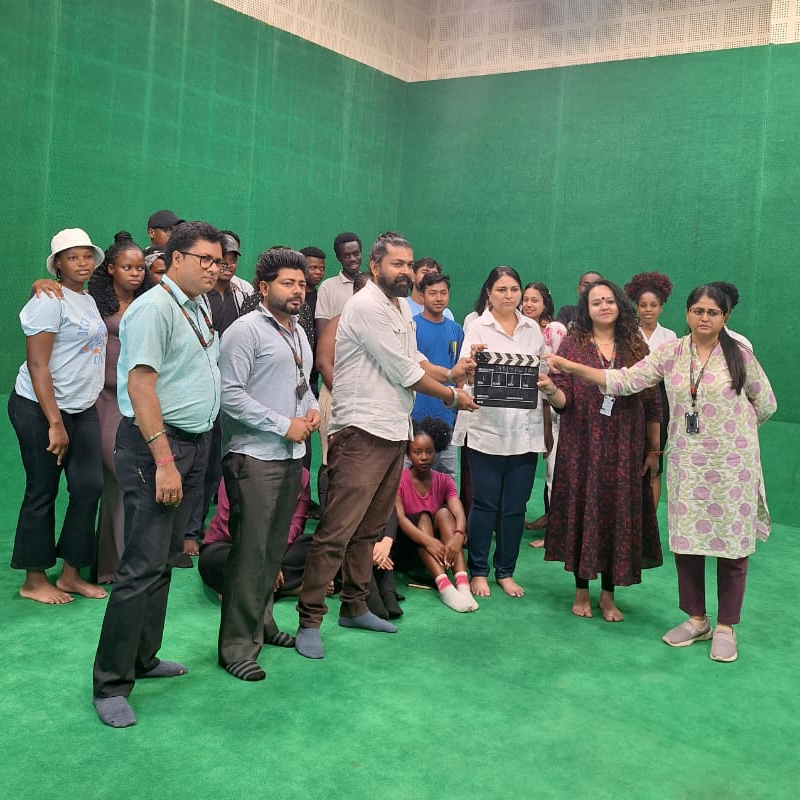
DIMTP believes that every learner deserves access to practical media education, whether they study in a metropolitan university, a college, a school, or a rural community.
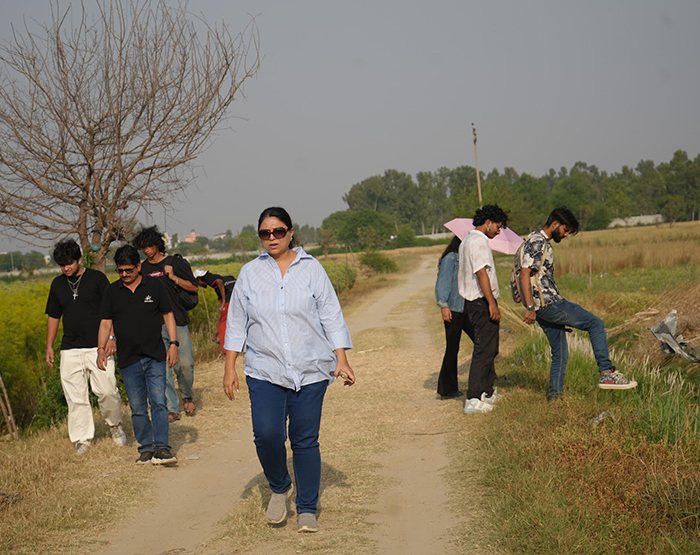
Its travelling educational model removes traditional barriers by taking professional equipment, production techniques, and immersive workshops directly to students. This flexible approach ensures that learning remains inclusive, engaging, and accessible across diverse educational environments.
Modern storytelling requires more than creativity alone.
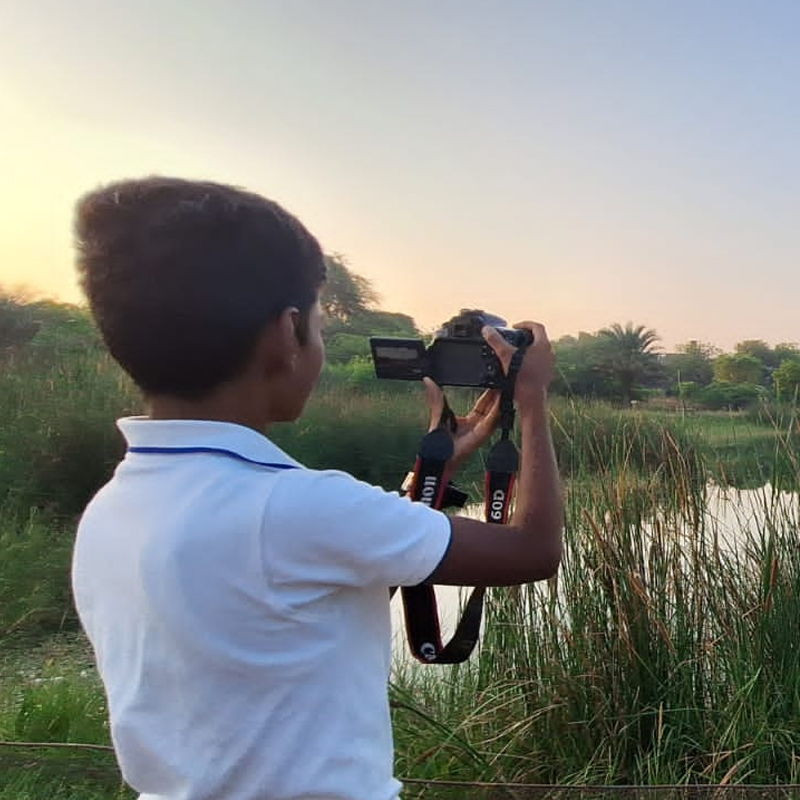
Technology provides powerful tools, but meaningful stories emerge when technology is combined with technique, aesthetics, and thoughtful communication. DIMTP encourages students to understand this relationship by integrating creative thinking with technical knowledge. Learners discover how cameras, lighting, editing, sound, presentation, and visual communication work together to produce compelling media experiences.
Preparing Students for the Future
The future of media will continue to evolve through emerging technologies, digital platforms, streaming services, and new forms of storytelling.
Rather than focusing only on current industry trends, DIMTP develops foundational skills that remain valuable regardless of technological change. Critical thinking, creativity, collaboration, visual communication, and practical production knowledge prepare students to adapt confidently to the future of the media industry.